



SPONSORED
Many new podcasters treat their audio branding as a single, isolated task to cross off before launch day. They spend hours scrubbing through stock music libraries, finally download an upbeat track, and slice the first fifteen seconds into their timeline. Once they apply a quick volume fade right before the host speaks, they consider their musical identity completely finished. The intro music becomes just another static asset—like cover art—rather than an active, ongoing part of the storytelling.
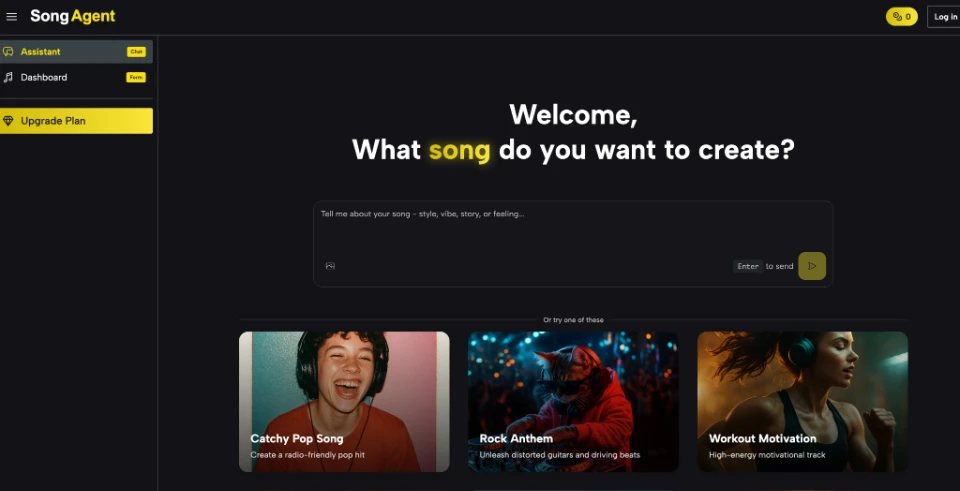
While a single track works well enough to launch episode one, growing shows require distinct musical roles for interviews, emotional shifts, transitions, sponsor breaks, and closing sections. By defining a cohesive sound first, you can use an AI Music Agent to develop a complete, scalable music package rather than endlessly searching for unrelated stock tracks every time the format changes.
Why Your Podcast Needs an Audio Branding System
The intro is the most obvious piece of music, but using the exact same 20-second high-energy track for a quiet transition or a long background segment quickly feels out of place.
As a show develops, you need variations: a shorter cue between topics, a softer bed under narration, and an outro that feels connected to the opening. When these tracks are chosen separately—say, an electronic intro paired with an acoustic transition—the podcast loses its recognizable audio identity. The solution is treating your podcast music as an interconnected system, not a random playlist.
How to Define Your Podcast’s Musical Identity
Before generating any new music, establish a few clear rules for your show’s overall character. These constraints ensure every future track feels familiar, even as individual topics change.
Setting the Right Mood and Personality
A business podcast may require modern, restrained, and confident tones, while a true-crime show relies on darker textures. Define the overarching personality of the show, not just the emotional tone of a single episode.
Choosing Core Instrumentation
Repeated sounds create familiarity. If your baseline uses light electronic percussion and soft synth bass, subsequent transitions should utilize that same instrument family. This sonic thread connects disparate segments naturally.
Establishing Energy and Tempo Rules
Consistency does not mean identical volume. Define an energy range: the intro can sit at the dynamic peak to grab attention, while background beds stay at the lowest energy level to avoid competing with speech.
Structuring Your Complete Podcast Music Package
Once your musical direction is clear, create tracks specifically for their structural roles. Instead of generating generic background audio, build a functional toolkit designed for post-production.
Generating the Core Podcast Intro
Start here. The intro carries the strongest identity and establishes your tempo, primary instruments, and overall hook. It serves as the sonic foundation for everything else.
Creating Seamless Audio Transitions
Borrow the rhythmic feel or primary chord progression of the intro, but strip away the main melody. Keep these cues under 5 to 10 seconds to quickly bridge topics without slowing the pace.
Voice-Optimized Background Beds
Podcast music must support speech, not compete with it. Use the same synth textures or acoustic tones from your intro, but remove busy melodies and aggressive percussion so the host’s voice remains the focus.
The Outro and Call-to-Action
Return to the familiar elements of the intro, but arrange them to provide a stronger sense of closure. This is the ideal audio backdrop for final sponsor reads and subscriber prompts.
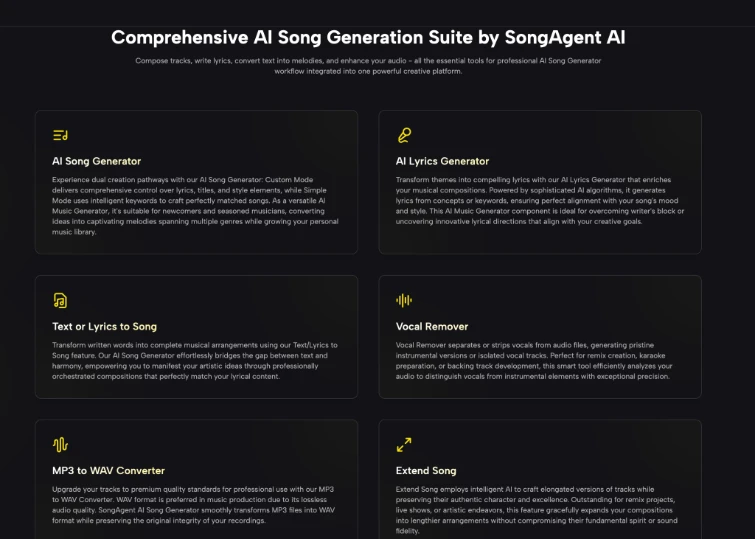
Working with an AI Song Agent is highly effective at this stage. You can input your established musical brief (e.g., “clean electronic percussion, soft synths”) and simply modify the prompt’s energy level or length for each specific role, ensuring all variations stem from the same sonic DNA.
A Scalable Soundtrack for Interview Shows
Imagine a weekly entrepreneurship podcast aiming for a modern, optimistic feel. The creator establishes a system: the intro features crisp percussion and a simple rhythmic hook. A five-second transition uses that same percussion minus the melody. The background bed loops the underlying synth texture softly, and the outro brings back the intro’s energy with a definitive ending.
The pieces serve different functions, but they clearly belong to the same show. When the podcast eventually adds a new segment or a bonus episode, the creator doesn’t start from zero. They rely on their established prompt formula, turning audio branding from a stressful weekly search into a sustainable, recognizable extension of their series.
Conclusion
Ultimately, a well-structured podcast music package does more than just fill the silence—it trains your audience to recognize your brand the moment they hit play. By shifting your mindset from finding one-off tracks to designing a repeatable audio system, You eliminate the weekly scramble for the perfect background cue. Define your core instruments, establish your energy limits, and let an AI Song Agent generate the variations, giving your show a professional, unified sound from the first second to the last.
