



SPONSORED
AI content creation used to be simple. A user typed a prompt, generated an image, downloaded the result, and moved on. That approach worked when the goal was to create a single visual. Today, however, many creative projects involve several connected tasks. A marketing campaign may start with an idea, continue through image generation, require multiple edits, and eventually become a short video or a set of social assets.
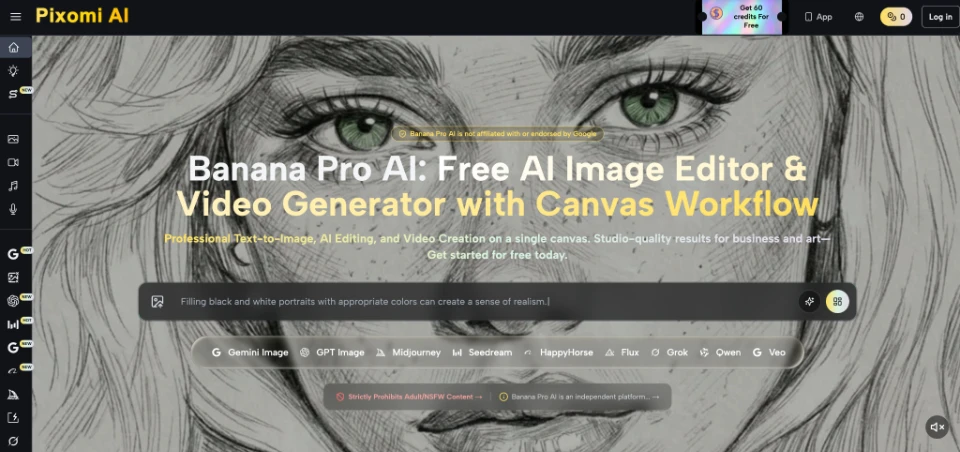
Platforms such as Nano Banana Pro reflect this shift toward connected multi-model AI creative platforms. Instead of treating every generation as an isolated action, creators can increasingly move from one asset to the next while keeping the same visual direction. The value comes not only from generating content faster, but from reducing the number of times people need to restart the creative process.
One Prompt Is No Longer the Whole Workflow
A single prompt may still produce a useful image, but most commercial content requires more than one output. Consider a simple product campaign. The team might first create a clean hero image. That image may then need a lifestyle version, a vertical social format, a short animated clip, and several alternative compositions for testing. Each version depends on the previous one.
If every stage happens in a completely separate tool, the workflow becomes fragmented. Files must be downloaded, renamed, uploaded again, and explained to another model. The creative team also has to repeat important instructions about the subject, brand style, composition, and campaign goal. This is why AI video generation workflows and visual pipeline designs are becoming just as important as the quality of an individual AI model.
The Hidden Cost of Switching Between AI Tools
Using several specialized tools can sound efficient because each one may be strong at a particular task. In practice, constant switching often creates extra work. A designer may generate an image in one platform, move it to another for editing, use a third service to animate it, and then open another tool for voice or music. The actual generation may be fast, but the process around it is not.
The biggest problem is context loss. The second tool does not automatically know why the first image was created. It may not know which product details must remain unchanged, which colors belong to the brand, or which part of the composition is intentional. The user has to rebuild that context manually. Over several rounds of editing, small differences accumulate. The final campaign may contain individually attractive pieces that do not feel like they belong together.
A Better Workflow Starts With Connected Steps
A stronger AI workflow treats every output as part of a larger production process. Instead of thinking:
Prompt → Finished Asset
it is more useful to think:
Idea → Base Asset → Review → Variation → Motion → Final Campaign Asset
Each stage has a clear purpose. The first generation establishes the subject and direction. The review stage catches problems before they spread. Variations adapt the asset for different uses. Motion can then extend selected visuals into a seamless image-to-video pipeline. This approach also makes it easier to reuse successful work.
Keep Context Between Stages
The most important part of a connected workflow is preserving what should not change. For a product campaign, that might include packaging, color, logo placement, and proportions. For a character project, it could include face shape, clothing, hairstyle, and visual style. When these details remain clear from one stage to the next, creators spend less time correcting avoidable changes.
Separate Exploration From Production
Another useful improvement is separating experimentation from final production. During exploration, teams can test several prompts, compositions, or styles quickly. Once a direction is approved, the workflow should become more controlled. Fewer variables should change at the same time, and each new asset should be checked against the original goal. This prevents creative experimentation from turning into inconsistent production.
Why Multi-Model Platforms Are Becoming More Useful
No single AI model is best at every task. One model may produce strong typography. Another may handle realistic images better. A different model may be more useful for image editing, while another is designed for video generation.
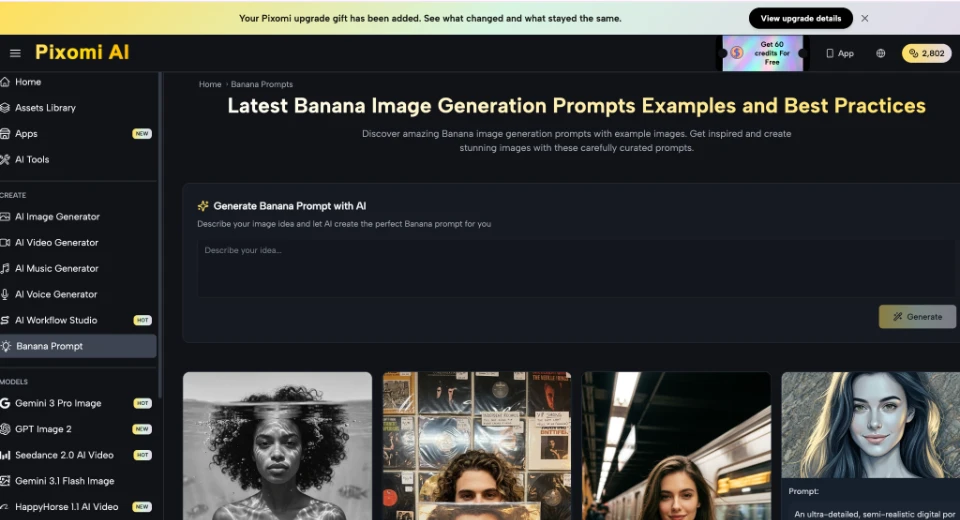
This makes multi-model access increasingly valuable. A platform such as Nano Banana Pro supports this process by giving creators access to different text-to-image and AI video generation capabilities within one broader environment. The practical advantage is not simply having more models available. It is being able to move between creative tasks without treating each one as a completely new project. The workflow should determine the tool, not the other way around.
Where Human Review Still Matters
Connected AI workflows can reduce repetitive work, but they do not remove the need for human decisions. AI may generate a visually strong result that does not match the campaign or slightly alter a product. These problems are easier to fix when review happens throughout the workflow rather than only at the end.
| Review Area | What to Check |
| Subject consistency | Does the main subject still match earlier assets? |
| Brand accuracy | Are logos, colors, labels, and visual rules correct? |
| Composition | Does the image work for the intended format? |
| Continuity | Does the next asset feel connected to the previous one? |
| Final use | Is the output actually suitable for the campaign? |
The goal is not to inspect every pixel. It is to catch changes that would make the next stage harder to control.
Workflow Quality Matters More Than Generation Speed
AI tools are often compared by how quickly they generate an image or video. Speed is useful, but it is not always the biggest factor in real production. A fast generation that requires several rounds of correction may take longer than a slower process that preserves context more reliably.
For recurring content, repeatability becomes more valuable than novelty. A team that creates ten social campaigns a month benefits more from a stable workflow than from producing one impressive image quickly. The strongest AI production systems therefore focus on reducing unnecessary decisions.
Build the Process Before Adding More Tools
The rapid growth of AI tools can make it tempting to add a new platform every time a new model appears. A better starting point is to map the work itself. Identify where ideas begin, where assets need to change, where review is required, and where final content is published.
The future of AI content creation is moving toward connected systems where images, edits, and videos develop through a consistent workflow. Instead of manually moving files and rebuilding context across dozens of browser tabs, build your first automated visual pipeline on Nano Banana Pro‘s infinite canvas and keep your creative workflow truly connected.
